
Told You Need a New Furnace? When to Get a Second Opinion
A second opinion on furnace replacement can help you understand whether a new system is necessary or whether a practical repair is available.
It is especially useful when the recommendation does not identify the failed component, explain the testing, or discuss repair options. An independent evaluation may confirm the replacement recommendation or identify a different solution. At NexPro HVAC & Plumbing, we help homeowners in Newton, Massachusetts, and nearby communities understand their existing heating equipment before making a major purchase. Our approach is straightforward: repair first, replace only when it makes sense.
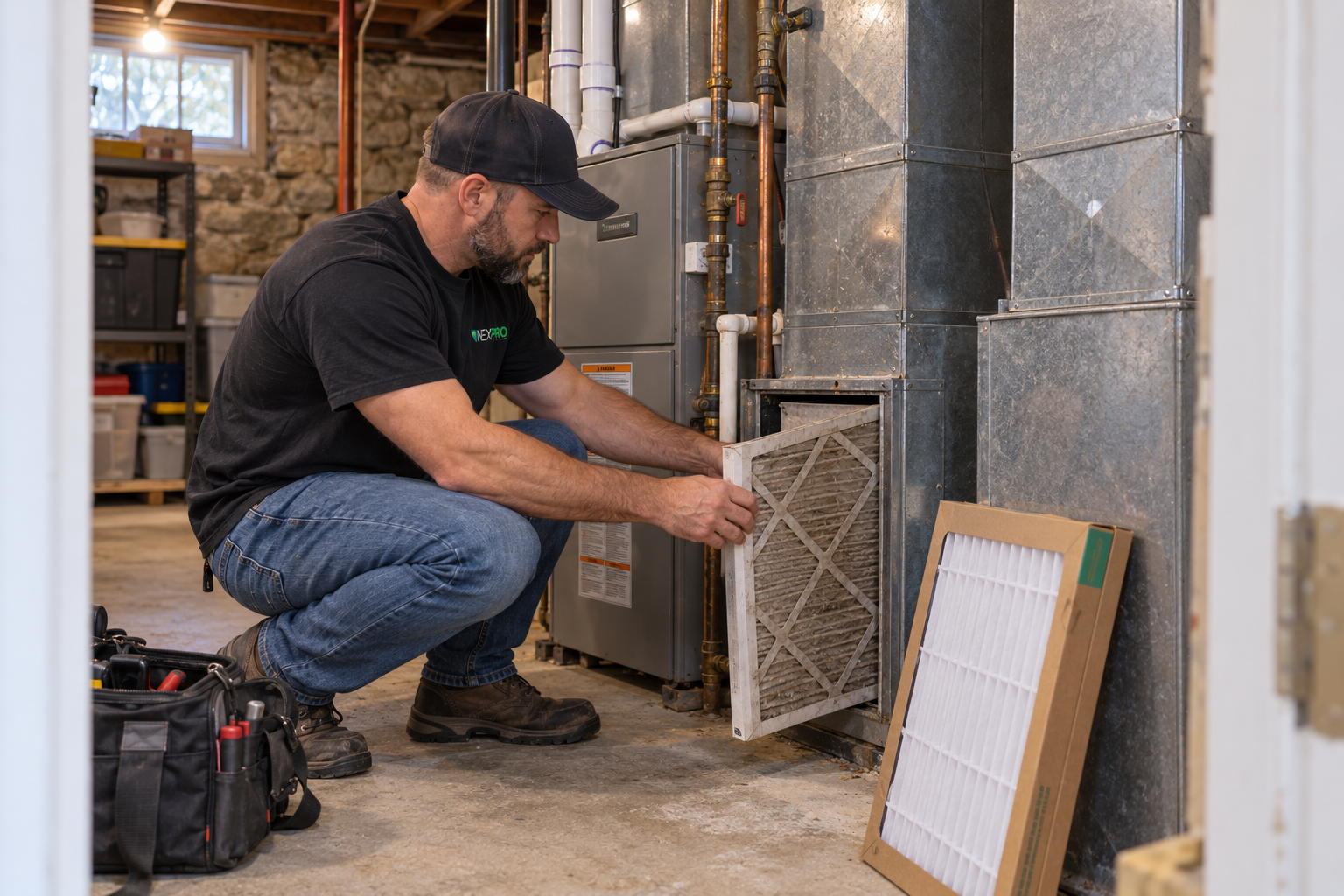
A second opinion on furnace replacement can help you understand whether a new system is necessary or whether a practical repair is available. It is especially useful when the recommendation does not identify the failed component, explain the testing, or discuss repair options. An independent evaluation may confirm the replacement recommendation or identify a different solution.
At NexPro HVAC & Plumbing, we help homeowners in Newton, Massachusetts, and nearby communities understand their existing heating equipment before making a major purchase. Our approach is straightforward: repair first, replace only when it makes sense.
Before Buying a New Furnace, Understand the Recommendation
When your furnace stops heating, restoring comfort becomes the immediate priority. Receiving a replacement proposal during that situation can make it difficult to pause and ask questions.
Replacement may be the appropriate solution. But before making that decision, you should understand what the technician found and why a repair is or is not practical.
A useful recommendation should explain:
- Which component or assembly has failed.
- How the failure was identified.
- Whether the problem affects safe operation.
- What repair options are available.
- Why replacement offers better value, if recommended.
- What the replacement proposal includes.
The purpose of a second opinion is to provide another assessment of the equipment and the available options.
When Should You Get a Second Opinion on Furnace Replacement?
Not every recommendation requires another visit. However, several situations make an independent evaluation worth considering.
Equipment Age Was the Main Reason Given
Furnace age matters, but it does not describe the entire condition of the system. An older furnace with an isolated fault deserves a different evaluation from equipment with recurring major failures or a significant safety defect. Ask how age relates to the actual findings. A repair or replacement decision should also consider equipment condition, repair history, parts availability, and cost.
The Failed Component Was Not Identified
\u201CThe furnace is bad\u201D leaves important questions unanswered. A clearer explanation identifies the affected component or operating problem and describes the evidence behind the diagnosis. If you do not understand what failed, request clarification. If the explanation remains unclear, a second opinion may help.
Repair Options Were Not Discussed
A replacement proposal should help you understand why repairing the existing equipment is not recommended. Sometimes the answer is straightforward: essential parts are unavailable, a repair cannot restore safe operation, or multiple expensive failures make further investment difficult to justify. In other cases, a component repair may deserve consideration. Ask whether repair was evaluated and what led to the final recommendation.
Previous Repairs Did Not Resolve the Problem
If your furnace continues shutting down after repairs, another evaluation can help determine whether the underlying cause was identified. Repeated symptoms do not necessarily mean the same component keeps failing. A new assessment should review previous work and investigate the current operating problem. Bring service reports and invoices when available.
You Received Different Explanations From Different Companies
Conflicting recommendations can leave you unsure whether to repair, replace, or keep investigating. Ask each company to explain its findings and proposed scope. Compare the evidence and reasoning, not only the final price. A second opinion is most useful when it adds a clear diagnosis rather than another unexplained recommendation.
Furnace Symptoms Do Not Automatically Prove Replacement Is Necessary
Several furnace problems can interrupt heating without establishing that the entire system has failed. Examples include:
- The furnace will not start.
- The blower runs, but the air is not warm.
- The furnace starts and quickly shuts down.
- Heating cycles are unusually short.
- Airflow is weak.
- The thermostat setting is not reached.
Possible causes include airflow restrictions, ignition faults, control problems, and failing components. The symptoms need to be investigated before deciding what work is appropriate. A second-opinion visit should focus on identifying the cause and assessing the equipment's condition.
Already received a furnace replacement proposal? Request a second-opinion evaluation with NexPro and share the original findings.
Replacing a Part Is Different From Replacing the Entire Furnace
A furnace contains components that may be serviced or replaced individually. Depending on the equipment and diagnosis, a repair might involve an ignitor, sensor, motor, control board, or another compatible component.
That does not mean every component replacement is worthwhile. The technician should consider the condition of the remaining equipment and the expected value of the repair.
However, a failed part and a failed furnace are different conclusions.
Before approving a whole-system replacement, ask whether a component repair is technically appropriate and economically sensible.
What Should a Second-Opinion Furnace Evaluation Include?
An independent evaluation should investigate the equipment rather than simply review the price of another company's proposal. The exact scope depends on the furnace model, symptoms, and reported findings. Relevant steps may include:
| Evaluation area | What it helps establish |
|---|---|
| Original recommendation | What was diagnosed and why replacement was proposed. |
| Equipment identification | Furnace model, configuration, and relevant service information. |
| Repair history | Whether problems are isolated or recurring. |
| Operating sequence | Where normal heating operation is interrupted. |
| Affected components | Whether the reported fault is supported by testing. |
| Safety concerns | Whether continued operation is appropriate. |
| Parts availability | Whether suitable repair components can be obtained. |
| Overall condition | Whether repairing one fault offers reasonable value. |
The final discussion should explain the findings, available options, and any limits to the evaluation.
What Should You Share Before the Appointment?
Providing the original documentation helps the technician understand what has already been reported. Useful information includes:
- The replacement estimate.
- The original diagnostic report.
- Photos or test results provided by the first technician.
- Furnace make and model.
- Recent repair invoices.
- A description of the current symptoms.
- Any instructions to keep the furnace shut down.
If the original contractor identified a safety concern, mention it when booking. Keep the equipment off as directed until it has been professionally evaluated and cleared for use.
You do not need to know which diagnosis is correct before requesting another opinion.
Questions to Ask Before Approving Furnace Replacement
These questions can help you evaluate the recommendation:
- 1What specifically failed? Ask for the component, assembly, or operating problem to be identified.
- 2How was the failure confirmed? Request an explanation of the inspection or testing.
- 3Does the finding make the furnace unsafe to operate? Understand whether the equipment should remain shut down.
- 4Can the problem be repaired? Ask about suitable parts and the proposed repair scope.
- 5Why is replacement preferred? Look for reasoning tied to condition, safety, reliability, or cost.
- 6What is included in each option? Compare complete repair and replacement scopes.
- 7What uncertainties remain? Ask whether additional testing or hidden conditions could affect the recommendation.
Clear answers make it easier to decide without relying on a sales presentation alone.
When Might the Second Opinion Confirm Replacement?
A repair-first company should still recommend replacement when the evidence supports it. An independent evaluation may confirm that replacement is appropriate when:
- Safe operation cannot be restored through a practical repair.
- Essential compatible components are unavailable.
- Several major assemblies are deteriorating.
- Significant repairs keep recurring.
- The proposed repair offers limited value for the equipment’s condition.
Safety note: A damaged heat exchanger is a serious finding requiring professional assessment. Depending on the equipment, repair options, and overall condition, replacement may be necessary. The furnace should not continue operating until the concern has been evaluated and safe use has been established.
The value of the second opinion is a better-supported decision, even when both companies reach the same conclusion.
How Do You Compare Repair and Replacement Costs?
Compare the full scope of each proposal.
For a repair, understand the diagnostic charge, parts, labor, any anticipated follow-up work, and applicable coverage. For replacement, ask what equipment and installation work are included, along with any required changes to the existing setup.
Also consider:
- The furnace’s condition beyond the immediate fault.
- Previous significant repairs.
- Applicable manufacturer warranty coverage.
- Availability of repair parts.
- Your plans for the property.
- Any unresolved heating or airflow concerns.
The lowest upfront price is only one part of the decision. A useful evaluation explains the practical benefits and limitations of each option.
Second-Opinion Furnace Evaluations in Newton, MA
NexPro HVAC & Plumbing is based in Newton and serves nearby communities including Wellesley, Needham, Weston, Brookline, Waltham, and Watertown. We focus on diagnosing existing equipment and discussing practical repair options before recommending major replacement.
When requesting a second opinion, tell us that another company has recommended a new furnace. Share the reported problem, any safety concerns, and available documentation. Our team can confirm appointment availability, explain the diagnostic fee, and help you prepare for the visit.
For a broader look at the factors behind a repair-or-replace recommendation, read our guide on gas furnace repair vs. replacement and our article on gas furnace not heating in Newton, MA. If your furnace is still running but blowing cold air, read our guide on gas furnace blowing cold air.
Understand Your Options Before Replacing Your Furnace
A major heating decision should begin with clear findings. If you have been told that your furnace needs replacement, you can ask for an explanation, review the documentation, and seek another evaluation when appropriate.
NexPro helps homeowners understand whether repairing existing equipment makes sense or whether replacement is the more practical choice.
Frequently Asked Questions
Is it worth getting a second opinion on furnace replacement?
A second opinion can be useful when the original findings are unclear, repair options were not discussed, or the recommendation involves a major expense. It may confirm replacement or identify a practical repair.
Can a second opinion show that my furnace can be repaired?
Yes, an independent evaluation may identify a repair option. However, no company can responsibly promise that outcome before inspecting the equipment.
Does an old furnace automatically need to be replaced?
No. Age is one factor alongside equipment condition, safety, repair history, parts availability, and cost. An inspection provides more useful information than age alone.
Should I get another opinion about a damaged heat exchanger?
You may request an independent assessment, but keep the furnace shut down as directed. A suspected heat exchanger defect requires professional evaluation before further use.
What should I send NexPro before a second-opinion visit?
Share the original service report, replacement estimate, furnace make and model, recent repair records, and any photos or test results provided.
Will a furnace diagnostic visit include a repair?
Diagnosis and repair are different stages. The visit establishes the findings and proposed next steps. Ask what the diagnostic fee covers and review any repair quote before authorizing work.
Can I keep using my furnace while waiting for another opinion?
That depends on the reported condition. If a technician has instructed you to stop using it because of a safety concern, keep it off until professionally evaluated and cleared. If you smell gas or a carbon monoxide alarm sounds, leave the building and contact emergency services or your gas utility from a safe location.
Does NexPro provide furnace second opinions in Newton, MA?
You can request a furnace diagnostic evaluation from NexPro in Newton and nearby communities. Contact the team to confirm service availability, fees, and scheduling.
Request a Second-Opinion Furnace Evaluation in Newton, MA
Already received a replacement recommendation? Share the original findings and let NexPro HVAC & Plumbing provide an independent assessment of your equipment and the available options.