
How Often Should You Change Your Furnace Air Filter?
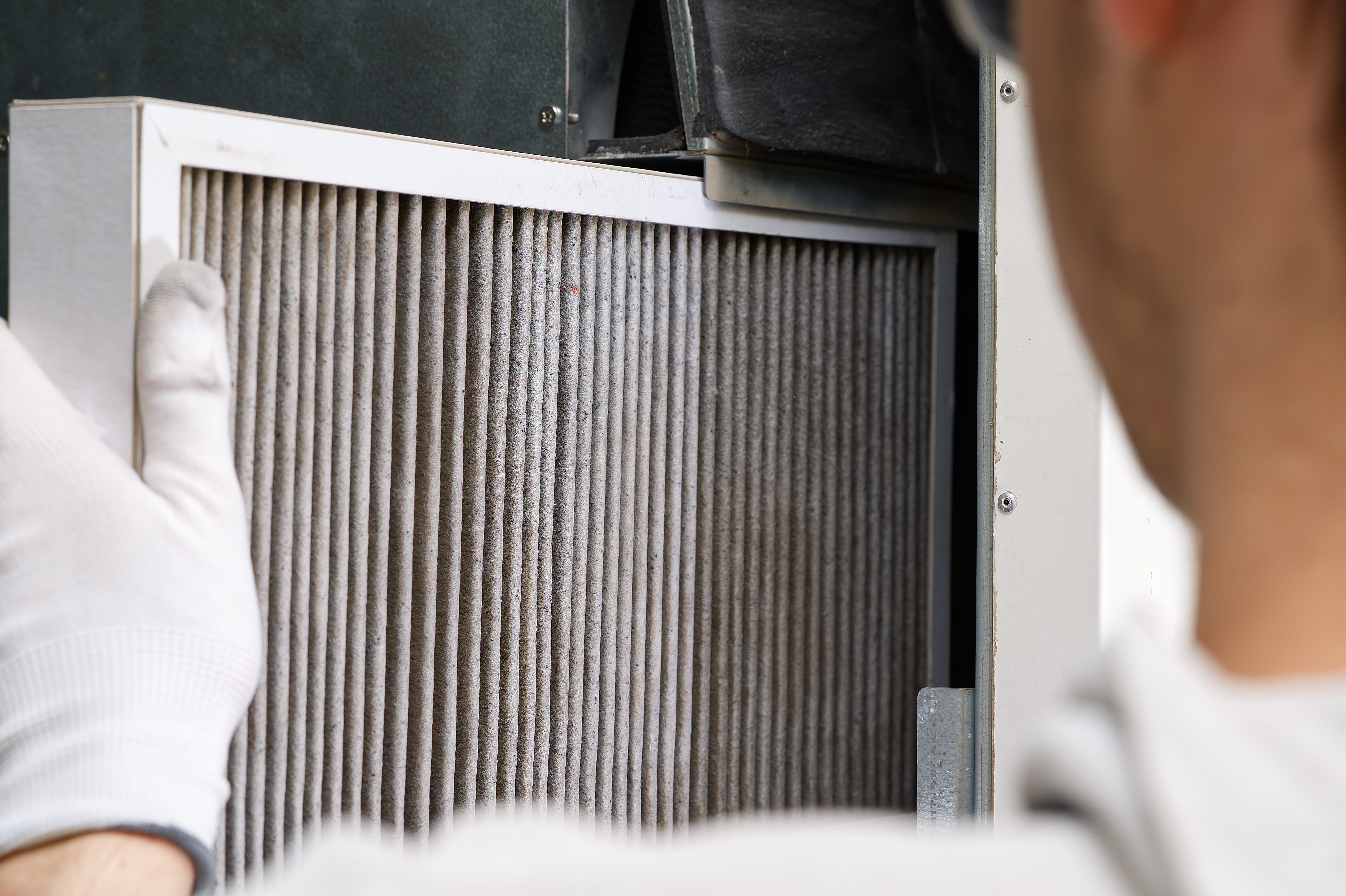
Regular visual filter inspections protect blower motors from static pressure and keep winter air circulating smoothly across Massachusetts homes.
During cold New England winters in Greater Boston, a residential furnace runs for hours every day to keep indoor temperatures comfortable—pulling thousands of cubic feet of air through its return ductwork and air filter.
Knowing how often to change furnace filter media protects your blower motor from airflow restriction and keeps household dust from building up inside the cabinet.
Rather than relying on a single rigid calendar rule that treats every home and filter alike, the most reliable approach combines regular visual inspections with your equipment manufacturer's exact media guidelines.
How Often Does a Furnace Filter Need Changing?
A furnace filter does not follow one universal replacement date for every household; instead, inspect the filter regularly—especially once a month during heavy winter heating—and replace or clean it based on its filter thickness, visible dust loading, and your equipment manufacturer's instructions.
A thin 1-inch fiberglass or pleated filter in a home with shedding pets may need replacement every 30 to 60 days during peak winter runtime, whereas a thicker 4- or 5-inch media cartridge in a low-dust home may last several months before reaching capacity.
Find the Correct Filter Type and Size
Before purchasing replacement filters, check the size printed along the cardboard frame of your existing filter and verify the approved dimensions in your furnace owner's manual:
Most retail filters list a rounded “nominal” size (such as 16x25x1), while the “actual” measured dimensions are slightly smaller (such as 15.5 x 24.5 x 0.75 inches) so the frame slides smoothly into the rack. Always match the exact dimensions required by your filter slot.
If you remove a dirty filter and realize you do not have a replacement on hand, leave the furnace switched off until a compatible filter is installed—operating without a filter allows lint and debris to coat the blower wheel and heat exchanger.
Disposable Pleated Filters
Standard disposable pleated filters use synthetic or cotton-blend media folded into pleats to increase surface area. When dirty, disposable filters must be replaced, never washed or vacuumed, as water or stiff brushes damage the delicate fibers and ruin filtration performance. Thin 1-inch pleated filters hold significantly less dust than 2- or 4-inch pleated filters, so follow the specific product and furnace manual guidelines rather than treating all pleated filters identically.
Deep-Media and Reusable Filters
Whole-home media cabinets often house 4- or 5-inch deep pleated cartridges designed for higher dust-holding capacity. However, owning a thick media filter does not automatically guarantee a once-a-year replacement schedule—heavy winter runtime or indoor dust can load a deep filter faster than expected. If your system uses a manufacturer-approved washable/reusable electrostatic or mesh filter, rinse it only using the exact cleaning instructions provided by the maker and allow it to dry 100% before reinstalling so moisture never enters the furnace cabinet.
What Changes the Replacement Schedule?
Because every home generates different levels of airborne particles and runs its heating system at different frequencies, evaluate real household conditions rather than guessing an exact lifespan:
What to Inspect: Dust accumulation across the intake side of the pleats after 30 days of cold weather.
Effect on Next Check: Longer daily blower operation pulls more air through the media; inspect monthly during peak winter heating even if a calendar reminder suggests waiting longer.
What to Inspect: Pet hair matting across the surface of the filter frame and pleats.
Effect on Next Check: Fur and dander clog surface pores quickly; shorten your inspection interval to every 3 to 4 weeks during heavy shedding or winter months.
What to Inspect: Gray or dark soot discoloration across the filter media.
Effect on Next Check: Fine soot particles restrict airflow even when the filter does not look covered in fuzzy lint; replace promptly when discoloration appears.
What to Inspect: Fine white drywall powder or sawdust coating the pleats.
Effect on Next Check: Check immediately after any dusty project—and never run your HVAC blower as an air scrubber during active construction or sanding, as fine gypsum dust bypasses standard filters and coats internal furnace components.
Winter Runtime and Household Occupancy: A digital thermostat reminder is a helpful prompt to look at your filter, but a calendar alert never replaces an actual visual inspection. When a cold snap hits Greater Boston and your furnace runs twice as many hours per day as it did in October, the filter collects twice as much airborne dust in the same number of calendar days.
Pets, Dust, and Renovation Debris: Homes with multiple pets, frequent guests, or ongoing indoor projects experience faster filter loading. Checking the filter early prevents clogged media from forcing your blower motor to work harder against static pressure.
Signs a Filter Needs Attention
Inspect your filter closely and replace (or clean, if washable) it right away if you notice any of these warning signs:
You can no longer see the light color of the filter media or see light passing through when held up to a lamp.
Excess airflow resistance from a clogged filter—or moisture exposure—has bent the cardboard frame inward toward the blower.
Any sign of moisture on the filter media requires immediate replacement and an inspection for nearby humidifier leaks or condensate issues.
The filter sits crooked or leaves open gaps around the rack perimeter, allowing unfiltered air to bypass the media.
Keep in mind that while a clogged filter commonly restricts air delivery, persistent weak airflow from your vents can also stem from duct, damper, or blower issues and should not be diagnosed from filter appearance alone. Learn more in our guide on weak airflow from furnace registers.
How to Replace an Accessible Furnace Filter Safely
When replacing an accessible filter in a standard return grille or furnace filter slot, follow this straightforward sequence:
- Consult Your Equipment Manual: Confirm the filter slot location, approved filter thickness, and safe shutoff instructions for your specific furnace model.
- Turn the System Off at the Thermostat: Switch the thermostat mode to “Off” (and set the fan switch to “Auto” rather than “On”) so the blower stops pulling air while the filter door is open.
- Remove the Existing Filter Carefully: Slide the old filter straight out of the rack or open the hinged return grille, keeping the dirty intake side angled upward so trapped dust does not spill onto the floor.
- Confirm Exact Size and Airflow Orientation: Match the new filter's dimensions and locate the directional airflow arrow printed on the cardboard frame.
- Slide the New Filter Into Position: Insert the new filter smoothly without bending or crushing the frame edges.
- Close and Latch the Access Panel: Secure the filter compartment door or return grille latches tightly so air does not leak into the cabinet, then restore your normal thermostat setting.
- Record the Installation Date: Write the installation date directly on the visible edge of the filter frame with a marker and log it in your maintenance notes.
Follow the Airflow Arrow
Every disposable furnace filter has an arrow printed along its outer frame indicating the direction air must flow through the media. In a typical furnace installation, the airflow arrow points away from the return air duct and toward the furnace blower compartment. Always verify the airflow direction label stamped on your furnace cabinet or ductwork rather than guessing based on how the room is laid out.
Avoid Forcing an Incorrect Filter Into the Rack
Never bend, trim, or cram an oversized filter into a narrow slot, and never stack two 1-inch filters together to fill a 2-inch rack—stacking filters doubles airflow resistance and strains your blower motor. Likewise, avoid installing ultra-restrictive high-efficiency media that exceeds your furnace manufacturer's static-pressure rating; ask a qualified technician during service if your filter rack arrangement or approved media rating is unclear.
When a New Filter Does Not Restore Airflow
Installing a fresh, clean filter should allow normal air circulation through your supply registers. If you still notice weak airflow from your furnace after replacing a dirty filter—or if rooms remain unevenly heated—do not keep buying different filter brands hoping to solve the issue.
Persistent low airflow can point to a dirty blower wheel, a failing blower motor or capacitor, closed or disconnected ductwork, or control board issues that require professional diagnostic testing rather than repeated filter swaps.
Build a Simple Filter Reminder for Your Home
Keeping a lightweight maintenance note taped inside your utility closet door or saved on your phone prevents guesswork between seasons:
Furnace Filter FAQs
Should I change my furnace filter every month?
You should inspect your furnace filter every month during active winter heating, rather than automatically throwing away a clean filter every 30 days. Replace a 1-inch filter monthly if it shows heavy dust or pet hair buildup, or follow your specific filter's condition and manufacturer guidance.
Can a furnace filter last six months?
Some thicker 4- or 5-inch deep-media filters are rated by their manufacturers for intervals up to six months under clean household conditions, but actual longevity depends on your furnace runtime, indoor pets, and dust levels. Check the filter periodically rather than assuming every six-month label applies to your home.
Can I wash a disposable furnace filter?
No. Disposable fiberglass and pleated paper/synthetic filters are designed for single-use replacement—washing them with water mats the fibers, ruins dust-capture efficiency, and risks mold growth if reinstalled damp. Only wash reusable filters explicitly labeled washable by the manufacturer, and dry them completely first.
Does a higher MERV rating mean I can change the filter less often?
No. A higher MERV rating measures finer particle capture efficiency, not a longer lifespan—in fact, denser filter media traps smaller particles faster and can load up sooner than a lower-rated filter. Choose the MERV rating approved by your furnace manufacturer and inspect it regularly based on actual dust buildup.
Why is airflow still weak after changing the filter?
If airflow remains weak immediately after installing a clean filter, possible causes include a dust-coated blower wheel, a weakening blower motor, blocked return grilles, closed or leaky ductwork, or frozen/restricted coils on dual-fuel/heat-pump setups. Schedule a professional HVAC inspection to diagnose the underlying restriction safely.
Not sure which filter size or rating fits your furnace best?
Ask NexPro about filter compatibility and have a technician check your filter fit and airflow during your next confirmed maintenance visit across Newton and Greater Boston.