
Best Thermostat Setting for Winter in Massachusetts
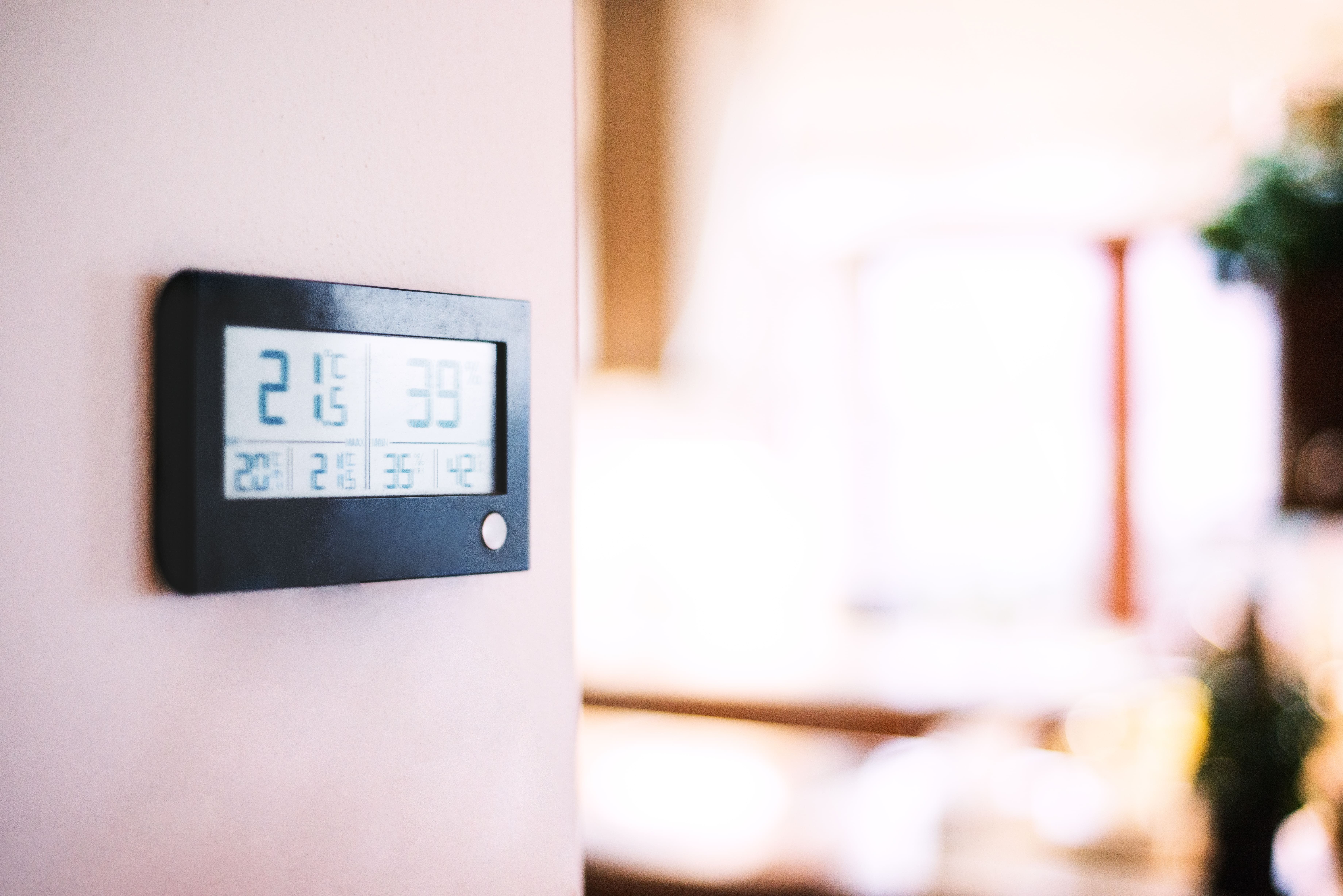
Calibrating thermostat schedules to your heating system type keeps New England homes cozy while preventing sluggish recovery and auxiliary heat spikes.
Finding the best thermostat setting for winter in Massachusetts requires balancing indoor comfort, your household's daily routine, and how your specific heating equipment delivers warmth.
Because New England temperatures can swing dramatically between sunny afternoons and sub-freezing nights—and because furnaces, hydronic boilers, and heat pumps respond very differently to temperature adjustments—a setting strategy that feels comfortable in one home may leave another feeling chilly or sluggish to warm up.
Starting with a comfortable baseline and making small, deliberate adjustments lets you keep your home cozy without forcing your heating system to work against its own design.
What Is the Best Thermostat Setting for Winter?
The best winter thermostat setting is a comfortable, household-specific baseline—often starting around 68°F while at home and awake, per U.S. Department of Energy (ENERGY STAR) general residential guidance—adjusted in small 1- to 2-degree increments to match your family's actual comfort and heating equipment.
Rather than treating any single number as a mandatory rule for every Massachusetts home, use your chosen daytime setting as a starting point and adjust modestly overnight or when hosting guests based on how quickly your system recovers.
Start With Your Heating System
Different heating systems NexPro services heat your living spaces at different speeds and rely on distinct control logic. Match your scheduling habits to the type of equipment installed in your home:
Forced-Air Gas or Oil Furnaces
Typical Response Speed: Fast—delivers warm air through ductwork within minutes of firing.
Scheduling Considerations: Handles modest overnight temperature setbacks well, provided morning recovery feels comfortable for your household.
When to Request a Review: When the furnace cycles too frequently, overshoots the setpoint, or fails to follow programmed schedules.
Hydronic Boilers and Radiant Floor Heating
Typical Response Speed: Slow to moderate—heats water, cast-iron radiators, baseboards, or floor slabs with high thermal inertia.
Scheduling Considerations: Works best with steady temperatures or very gentle, gradual adjustments rather than deep daily drops.
When to Request a Review: When rooms swing from too cold to overheated or zone thermostats respond sluggishly.
Air-Source Heat Pumps and Dual-Fuel Systems
Typical Response Speed: Steady and gradual—designed to maintain consistent indoor warmth efficiently rather than delivering sudden blasts of high-temperature air.
Scheduling Considerations: Requires heat-pump-compatible scheduling and gentle recovery steps so auxiliary electric resistance strips do not engage unnecessarily.
When to Request a Review: Whenever 'Auxiliary Heat' or 'Emergency Heat' illuminates frequently during mild winter weather or after minor setpoint adjustments.
Forced-Air Furnaces: Conventional single-stage forced-air furnaces heat air quickly and distribute it through supply registers, making modest overnight adjustments practical if your family prefers sleeping in a cooler bedroom. Keep in mind that cranking a conventional thermostat up to 78°F when you feel cold will not heat the house any faster—most single-stage furnaces run at one fixed heating output until the room reaches the target temperature, so raising the target too high only causes the house to overheat later if you forget to turn it back down.
Boilers and Radiant Heating: Hot-water baseboard systems, steam radiators, and radiant floor loops store heat in water and heavy building materials, creating strong thermal inertia. Because these systems take longer to warm up after a big temperature drop—and continue radiating warmth after the thermostat is satisfied—frequent large setpoint swings often undermine indoor comfort rather than improving it.
Heat Pumps and Dual-Fuel Systems: Modern cold-climate heat pumps operate most smoothly when holding a steady, comfortable target temperature. If you use a programmable or smart thermostat with a heat pump, ensure it is configured specifically for heat-pump staging and adaptive recovery. Making large, abrupt 5- to 8-degree morning increases on a heat pump can trigger expensive electric resistance backup heat to close the gap quickly.
Adjust for People, Pets, and Room Use
A thermostat mounted on a central hallway wall only measures the temperature of the air directly around that single sensor—not the conditions inside an upstairs corner bedroom or a sunlit family room:
Plan for Thanksgiving Guests Without Overheating the House
Hosting Thanksgiving dinner or winter holiday gatherings changes your home's indoor heat load dramatically:
Check Guest-Room Comfort Before People Arrive
A day or two before overnight visitors arrive, step into the guest bedroom during normal heating operation and compare its temperature with your main living area. Make sure supply registers are open and free of luggage or long curtains; if one bedroom remains noticeably colder than the rest of the house despite open vents, note the difference for a dedicated airflow assessment.
Common Thermostat Mistakes That Increase Discomfort
Avoiding a few everyday control habits prevents temperature swings and uneven comfort throughout winter:
Repeatedly nudging the thermostat up and down by several degrees every few hours keeps your system chasing changing targets.
Placing a warm table lamp, television, or sunny plant stand directly beneath the thermostat tricks the sensor into thinking the house is warmer than it actually is, causing the heat to shut off prematurely.
Applying a deep forced-air setback schedule to a radiant floor system or standard heat pump creates sluggish morning recovery or unwanted backup heat usage.
When the Home Does Not Reach the Set Temperature
Adjusting thermostat schedules cannot compensate for a mechanical fault, clogged air filter, or ignition problem. If you notice your furnace not reaching the set temperature despite normal control settings, write down the current thermostat target, the actual indoor reading, and outdoor weather conditions before calling for diagnostic service so a technician has clear operating context.
Review Your Winter Schedule With NexPro
If you are unsure whether your thermostat staging, adaptive recovery settings, or zone controls match your heating equipment, scheduling a control and system review with NexPro helps align your winter schedule with how your home actually heats. Serving homeowners in Newton, Wellesley, and surrounding Greater Boston communities, our technicians can inspect existing thermostat settings and verify system compatibility before recommending any control upgrades.
Winter Thermostat FAQs
Should I lower the thermostat at night in winter?
If your household sleeps comfortably in cooler rooms and you have a responsive forced-air furnace, lowering the thermostat by a few degrees overnight works well. However, if you heat with a heat pump or a slow-recovering hydronic/radiant system, keep overnight adjustments very small (or hold a steady temperature) so recovery stays smooth and avoids triggering backup electric heat.
Does turning the thermostat up higher heat the house faster?
No, in typical single-stage furnaces, boilers, and heat pumps, the thermostat acts like an on/off target switch rather than a gas pedal—setting it to 75°F instead of 68°F does not make warm air come out any faster, it simply keeps the system running longer until the higher temperature is reached. (Even on multi-stage or variable-capacity systems, large manual jumps often engage higher-energy stages unnecessarily.)
Should a heat pump stay at one temperature?
Maintaining a consistent, comfortable temperature is generally the easiest and most efficient baseline for cold-climate heat pumps. Small, gradual scheduled adjustments can work if your thermostat uses heat-pump-compatible adaptive recovery, whereas large sudden setbacks often trigger auxiliary resistance heat.
What thermostat setting works best when guests are visiting?
Start with your normal occupied comfort setting, then lower the target by 2 or 3 degrees shortly before dinner or large gatherings begin to offset extra heat from ovens, stovetops, and additional guests in the room.
Why does the thermostat read warm while a bedroom feels cold?
Your thermostat measures air temperature only at its specific wall location, which is often a central hallway near warm interior rooms or rising stairwell heat. Distant bedrooms, rooms over garages, or spaces with closed doors and restricted supply/return airflow can stay several degrees cooler until airflow balance or zoning is evaluated.
Struggling to keep every floor comfortable this winter?
Contact NexPro for HVAC service in Wellesley, Newton, and surrounding communities to request a heating controls evaluation if winter scheduling does not resolve persistent comfort problems.